“My Oma”: A Heartfelt Tribute to a Grandmother by Annika Seoane
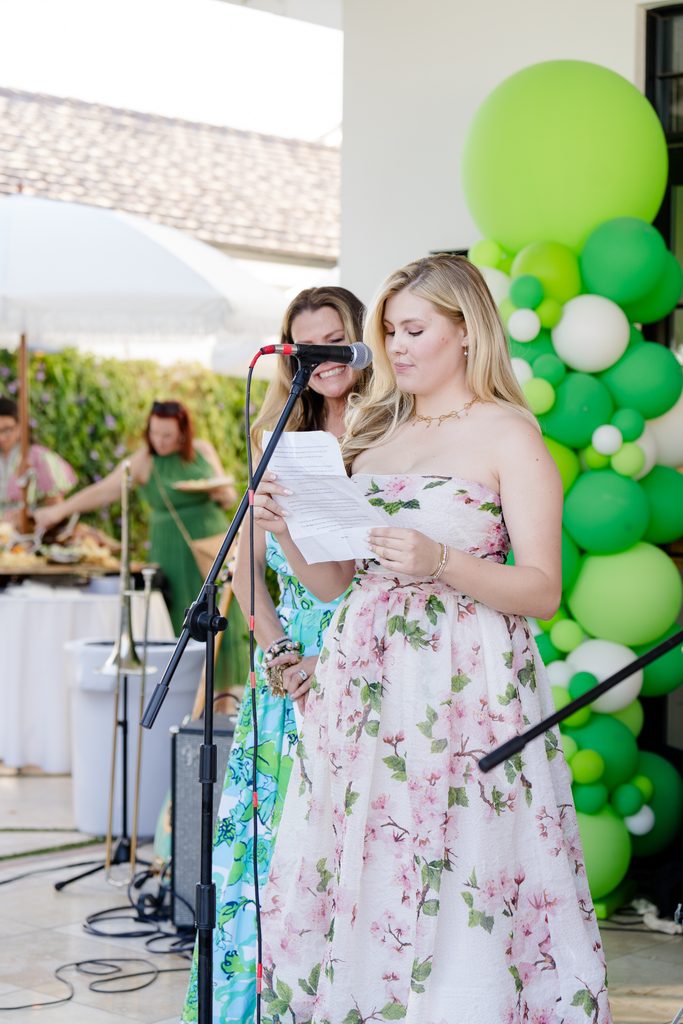
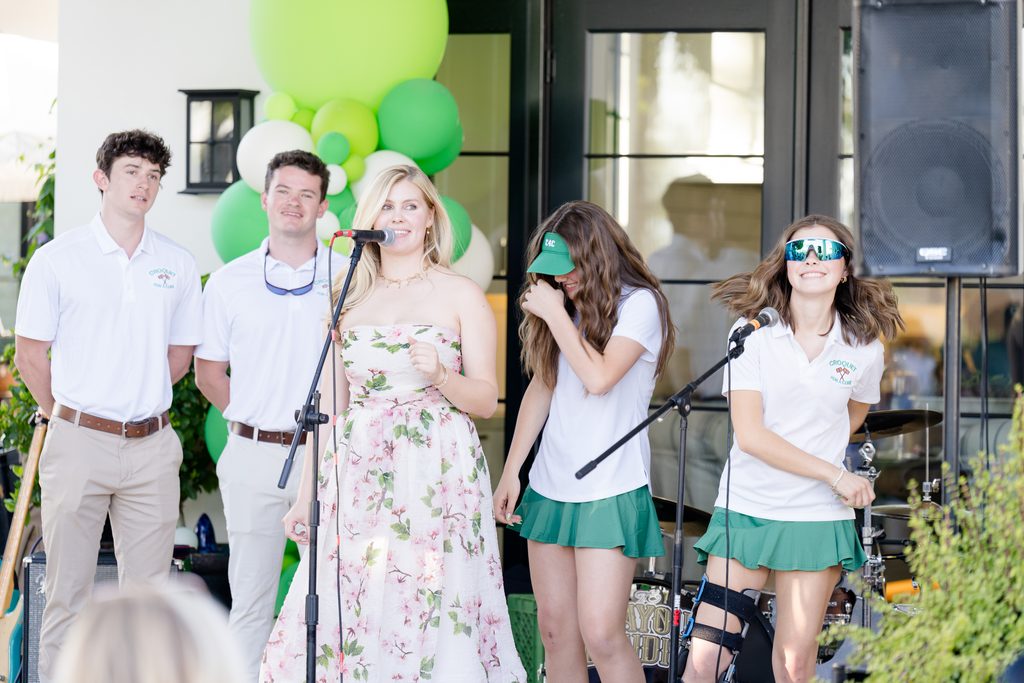
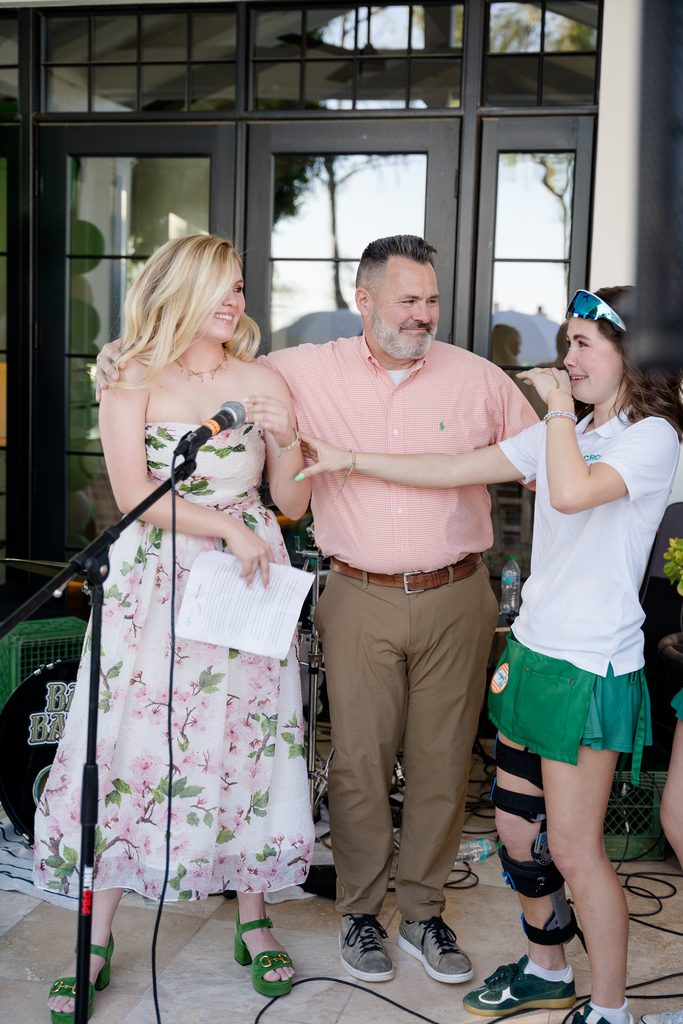
At the 2026 Croquet for a Cure event, Annika Seoane shared a heartfelt tribute to her grandmother, Hermanda O’Connor, with a special reading of her original poem, “My Oma.”
The touching moment was a beautiful reminder of the personal stories and cherished relationships at the heart of Croquet for a Cure’s mission. Through her words, Annika honored her grandmother and the love, memories, and lasting impact that make family bonds so meaningful.
We are honored to share Annika’s poem, “My Oma,” as a tribute to her grandmother and a reflection of the inspiration behind our mission to prevent, slow, and ultimately cure cognitive decline
When I look back, the only person I can still touch with any certainty is My Oma. Other memories blur or rearrange themselves, but she remains intact: she let me eat sugar straight from the bowl whenever we had afternoon tea, muttered in Dutch when she cooked – words that had no meaning but accepted as part of the spell. Her smile was melty warm like chocolate brought back in someone else’s suitcase and meant to be savored. She was distinguished and singular as the rosemary and sage that grew wild and unchecked in the back garden. What I remember the most, is how thoroughly she spoiled me, how completely she devoted her time to making the ordinary hours feel intentional.
My Oma believed in the sanctity of time. Not in the abstract sense, but in practice: in dressing for the day, in preparing food carefully, in showing up loudly and unapologetically for the people she loved. She entered rooms as if she’d been expected, she knew who she was and everyone else damn well loved it. There was no hesitation in her, no uncertainty about who she was supposed to be. I wanted to be just like her, bold and fierce and utterly resplendent in whatever she was.
My Oma’s favorite place to attend with her time was Saks 5th Avenue, which somehow managed to capture all her many different loves under one pristine, cream colored roof. Together we rode the escalators upward, through layers of fabric and perfume, and I would stare at the ceiling as glittering butterflies hung suspended mid wing flap above us. It felt like you were rising into heaven.
My Oma wasn’t built for the stage, the stage was built to hold her. She sang on a loop, never letting silence settle into our time. She commanded with her voice too, running multiple charities and fundraisers so that she built herself a pillar of society. I remember one night she was watching me for the parents. They arrived home at 11 o’clock to see their sixty-four year-old babysitter and her three-year-old charge conga lining around the house singing, “Hakunah Matata!” at the top of their lungs. I don’t remember their exhaustion or the end of the night. I remember only the singing.
My Oma was the only real thing to me at that age. She fed me madeleine’s, took me shopping, and insisted I learn how to say my name properly because, “It is an insult to your heritage and your Oma,” she told me, “if you don’t remember your middle name, Her-man-dah!” I was so deeply ingrained with her it felt like I could never be without her. Like my own name would lose meaning if the person who gave it meaning wasn’t there.
I also remember when My Oma started to die.
Not when my grandmother died but when My Oma did.
The illness crept slowly toward the parts of her that made her recognizable: the clothes, the jewelry, the voice, the certainty. Eventually, she could no longer remember herself. We tried to preserve her through objects—turquoise necklaces, music, brightly colored clothes—as if these offerings might call her back. They were attempts to remind her of the woman she had once so carefully constructed.
I cried the day my grandmother passed, not because she was gone, but because now there was absolutely no way My Oma could come back. All I have are the memories, the clothes, and the name. I just hope she’s somewhere with sugar and song and her memories of us.
I think she would have liked that.
My Oma.
We use cookies to enhance your browsing experience and analyze our traffic. By clicking "Accept", you consent to our use of cookies.